The Complex Nature of Delivery Timing
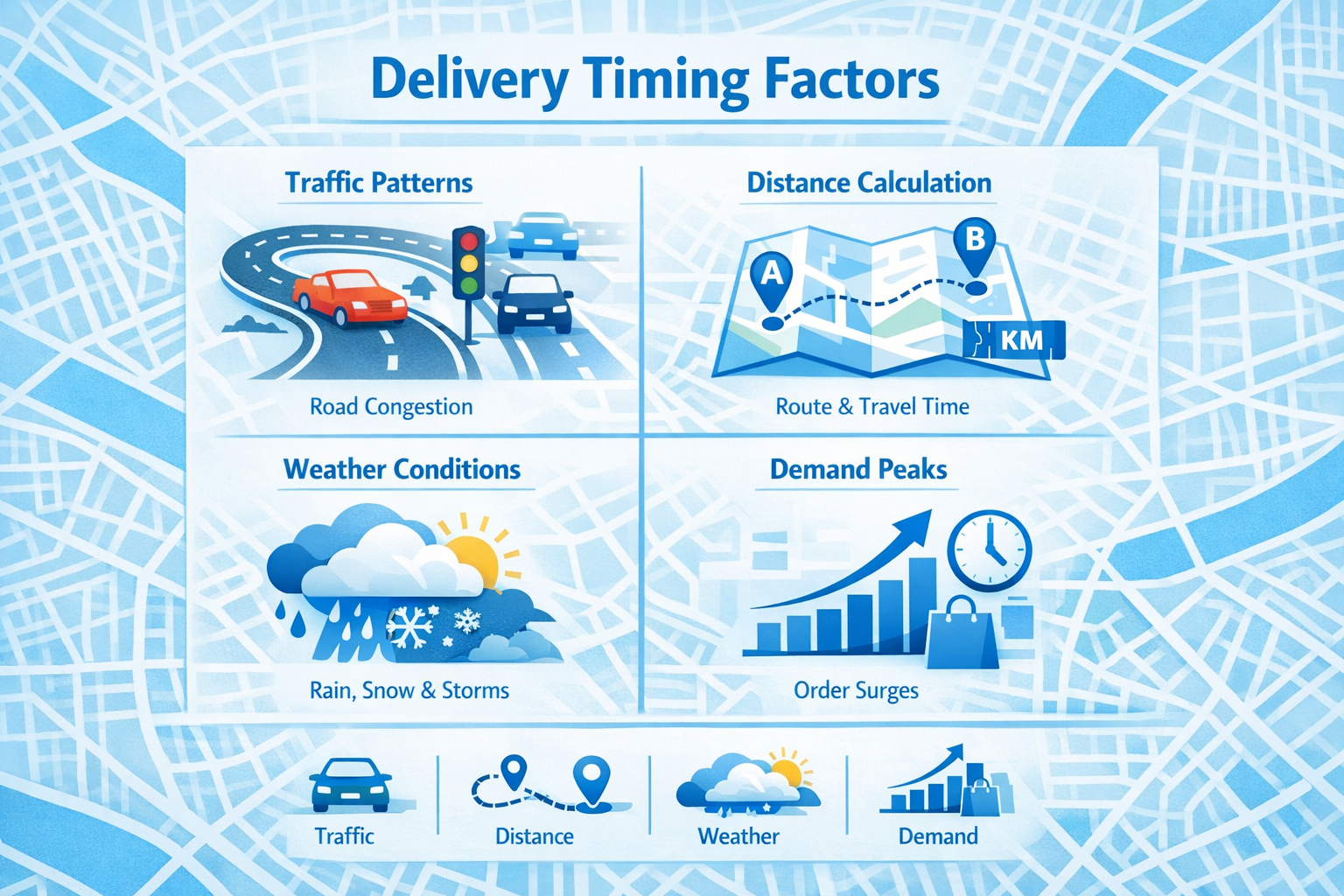
Pizza delivery timing represents a complex interplay of multiple variables that collectively determine how long an order takes to reach its destination. Unlike simple distance-based calculations, real-world delivery operations must account for dynamic factors that change continuously throughout the day. Understanding these timing factors helps consumers set realistic expectations and appreciate the challenges involved in maintaining consistent delivery performance.
The delivery timing equation encompasses both predictable elements, such as distance and preparation time, and unpredictable variables, including traffic conditions, weather, and unexpected delays. This combination creates a delivery environment where precise timing predictions remain challenging despite advances in planning and coordination systems. The most successful delivery operations develop strategies to manage these variables while maintaining reasonable service standards.
Traffic Conditions and Road Congestion
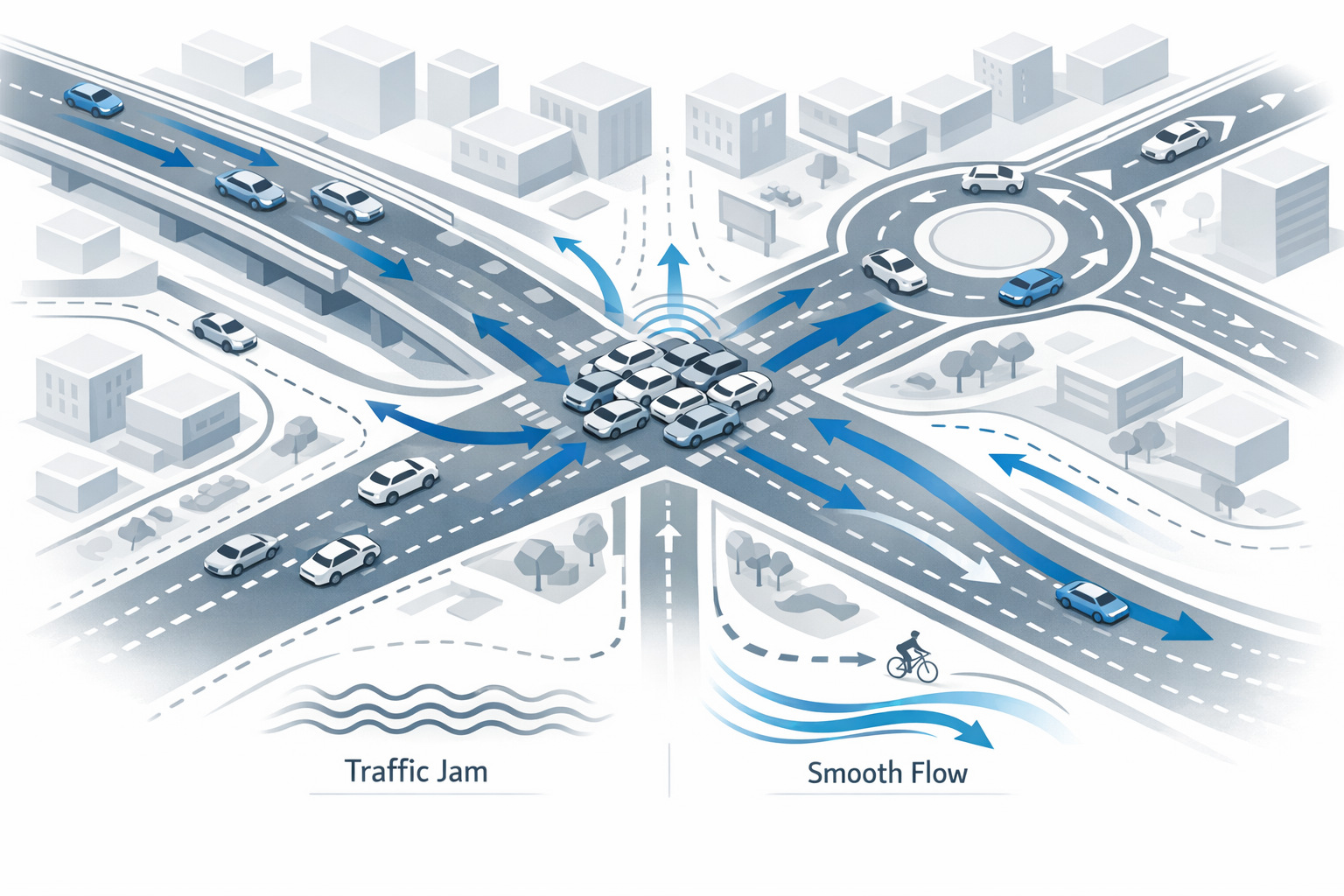
Traffic represents one of the most significant and unpredictable factors affecting delivery timing. Road congestion patterns vary dramatically based on time of day, day of week, and local events, creating delivery challenges that require constant adaptation. Urban environments particularly face traffic-related delays, with rush hour periods potentially doubling or tripling normal travel times between locations.
Peak traffic periods typically occur during morning and evening commute hours, when workers travel to and from employment centers. These periods create predictable congestion patterns that experienced delivery personnel learn to anticipate and navigate. However, unexpected traffic incidents, such as accidents or road construction, can create sudden delays that disrupt even the most carefully planned delivery schedules.
Delivery routes must account for traffic patterns, often requiring alternative paths during congested periods. Experienced drivers develop knowledge of local road networks, identifying secondary routes that may offer faster travel during peak traffic times. This local knowledge proves invaluable for maintaining reasonable delivery times despite challenging traffic conditions.
Traffic impact varies significantly based on delivery location density. In areas with high customer concentration, drivers can complete multiple deliveries within a small geographic area, minimizing total travel distance and time exposure to traffic. Conversely, deliveries to dispersed locations require more extensive travel, increasing exposure to traffic-related delays and making timing predictions more challenging.
Distance and Geographic Considerations
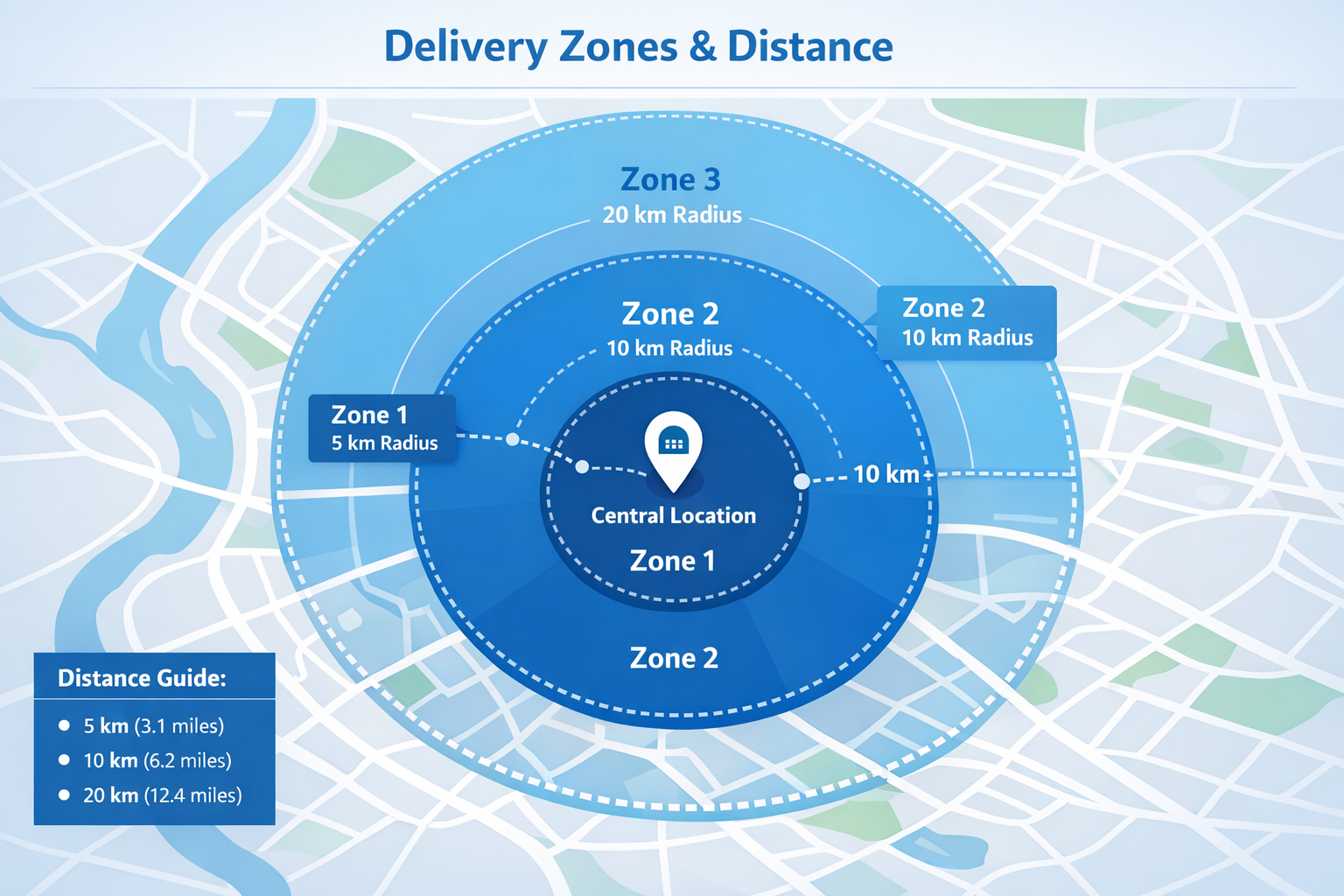
The physical distance between restaurant and customer represents a fundamental factor in delivery timing, though its impact varies based on multiple considerations. Simple distance calculations provide baseline estimates, but real-world delivery times depend on route complexity, road types, and geographic barriers that may not be apparent in straight-line measurements.
Delivery radius policies establish maximum distances for service, typically ranging from three to ten miles depending on restaurant location and market density. These radius considerations balance customer reach with practical delivery time constraints. Beyond certain distances, delivery times become impractically long, potentially compromising food quality and customer satisfaction regardless of other factors.
Geographic features significantly impact delivery timing beyond simple distance measurements. Natural barriers such as rivers, mountains, or large parks may require circuitous routes that extend travel time beyond what distance alone would suggest. Similarly, urban environments with complex street grids and frequent stops may require more time than suburban areas with direct highway access.
Road quality and type also influence delivery timing. Highway travel typically allows faster speeds than surface streets, while residential areas with frequent stops and lower speed limits extend travel time. Delivery route planning must account for these variations, selecting paths that balance speed with practical considerations such as accessibility and parking availability at delivery locations.
Demand Peaks and Order Volume
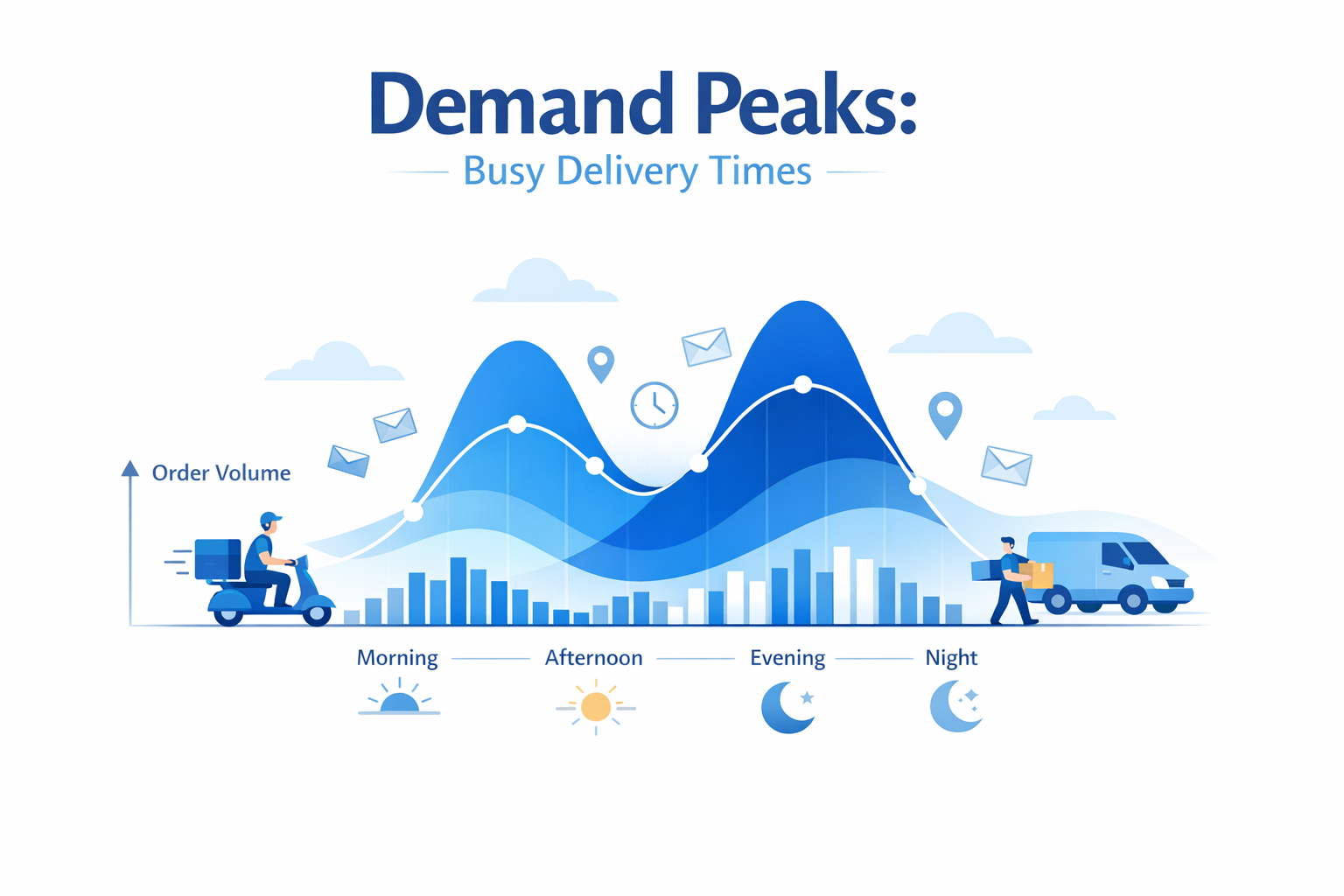
Demand patterns create predictable timing challenges that significantly impact delivery performance. Pizza delivery experiences distinct peak periods when order volume dramatically increases, stretching operational capacity and extending delivery times. Understanding these demand patterns helps explain why delivery times vary throughout the day and week.
Evening hours, particularly between 6:00 PM and 9:00 PM, represent the primary demand peak for pizza delivery. This period coincides with dinner time when families and individuals seek convenient meal options. During these peak hours, kitchens operate at maximum capacity while delivery personnel handle multiple orders simultaneously, creating natural delays throughout the system.
Weekend periods, especially Friday and Saturday evenings, experience elevated demand that can extend well into late night hours. These periods combine dinner demand with social gathering patterns, creating sustained high order volumes that challenge operational capacity. Sports events, holidays, and special occasions can create additional demand spikes that further extend delivery times.
High demand periods affect timing through multiple mechanisms. Kitchen preparation times increase as staff handle more orders simultaneously, while dispatch systems must balance more complex routing decisions. Delivery personnel carry multiple orders, requiring strategic sequencing that may extend individual delivery times. The cumulative effect of these factors creates predictable timing extensions during peak periods.
Successful delivery operations develop strategies to manage demand peaks, including increased staffing during anticipated busy periods, streamlined processes for high-volume situations, and clear communication with customers about expected timing. These strategies help mitigate peak period impacts while maintaining service quality despite increased operational pressure.
Weather Conditions and Environmental Factors
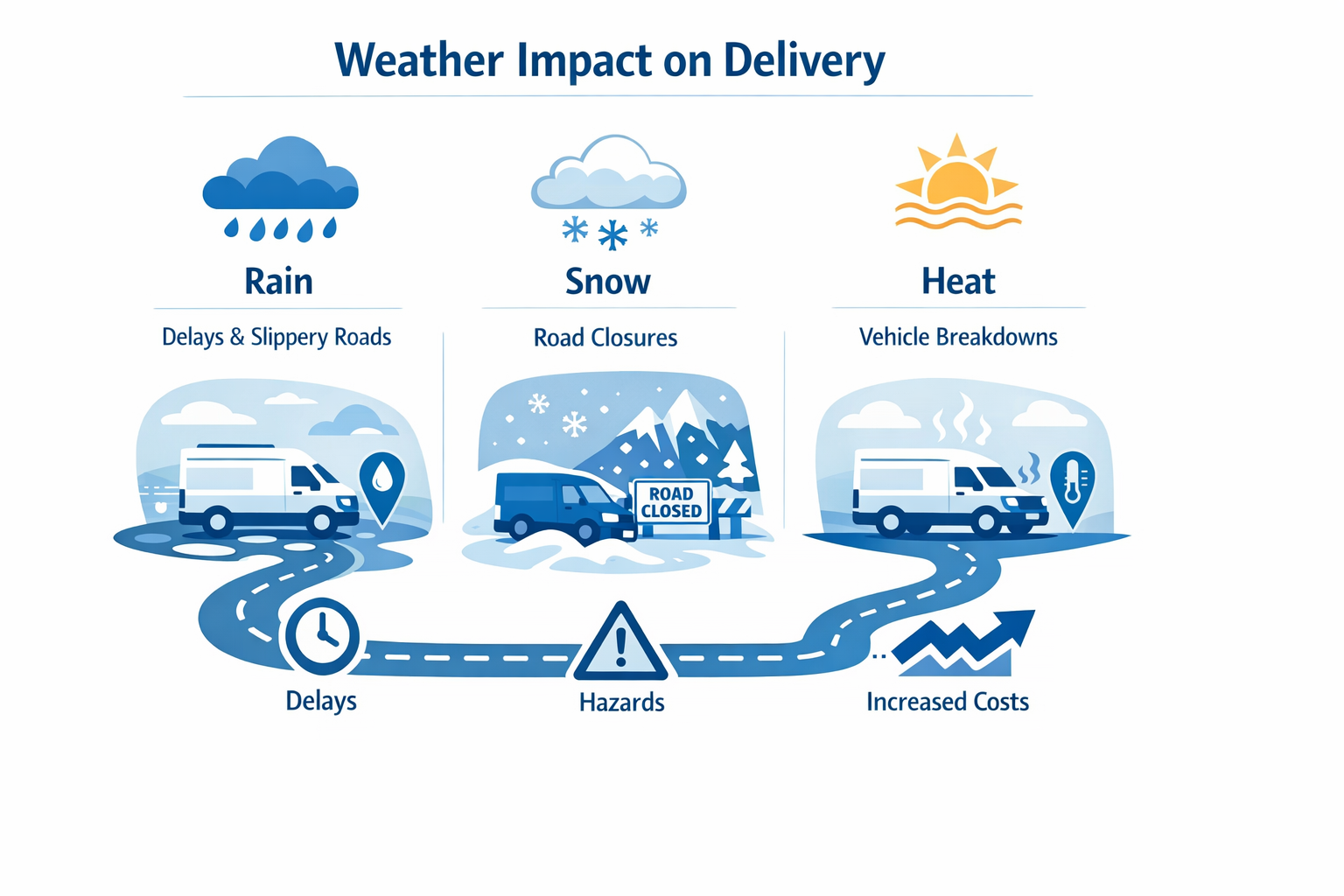
Weather represents one of the most unpredictable and impactful factors affecting delivery timing. Rain, snow, extreme temperatures, and other weather conditions create challenges that extend delivery times while requiring additional safety precautions. Understanding weather impacts helps explain why delivery times may vary significantly even under similar distance and demand conditions.
Rain creates multiple delivery challenges, including reduced visibility, longer stopping distances, and slower overall traffic speeds. Delivery personnel must exercise additional caution while driving, naturally extending travel times. Additionally, customer interactions may take longer as delivery personnel protect orders from moisture during handover. These factors combine to create predictable timing extensions during rainy conditions.
Snow and ice present even greater challenges, potentially dramatically extending delivery times or preventing delivery altogether in severe conditions. Reduced traction, limited visibility, and slower traffic all contribute to extended delivery times. In extreme winter weather, delivery operations may suspend service entirely to ensure safety for both delivery personnel and customers.
Extreme temperatures, both hot and cold, create additional considerations that can affect delivery timing. Hot weather may require additional precautions to protect food quality during transport, while cold weather may affect vehicle performance and require additional time for delivery personnel to manage orders safely. These considerations, while less dramatic than rain or snow, still contribute to timing variations.
Weather impacts vary based on geographic location and seasonal patterns. Regions with frequent precipitation or extreme temperatures develop operational adaptations to manage these conditions, while areas with generally mild weather may experience more significant disruption when unusual weather occurs. Delivery operations in challenging climates typically develop specialized equipment and procedures to maintain service despite weather challenges.
Operational Factors and System Efficiency
Beyond external factors like traffic and weather, internal operational efficiency significantly impacts delivery timing. Staffing levels, equipment condition, process optimization, and management effectiveness all contribute to how quickly orders move through the delivery system. These operational factors represent areas where delivery operations can exert control to improve timing performance.
Staffing levels directly affect capacity at every stage of the delivery process. Insufficient kitchen staff extends preparation times, while inadequate delivery personnel creates dispatch bottlenecks. Successful operations carefully match staffing levels to anticipated demand, ensuring sufficient capacity to handle order volume without excessive delays. This staffing optimization requires accurate demand forecasting and flexible scheduling practices.
Equipment condition and maintenance also impact timing efficiency. Reliable vehicles, functional kitchen equipment, and effective packaging systems all contribute to smooth operations. Equipment failures or maintenance issues can create unexpected delays that ripple through the entire delivery system. Preventive maintenance programs and backup equipment help minimize these disruptions.
Process optimization represents another critical factor in delivery timing. Well-designed workflows, clear communication protocols, and efficient procedures all help minimize unnecessary delays at each stage. Continuous improvement efforts that identify and eliminate inefficiencies can gradually improve timing performance even when external factors remain challenging.
The interplay of all these timing factors creates a complex delivery environment where precise timing predictions remain challenging. However, understanding these factors helps consumers appreciate the sophistication required to maintain consistent delivery service and explains why delivery times naturally vary based on circumstances beyond any single party's control.